
Low-carbon meat, high-phosphorus problem: the poultry life cycle in Northern Ireland
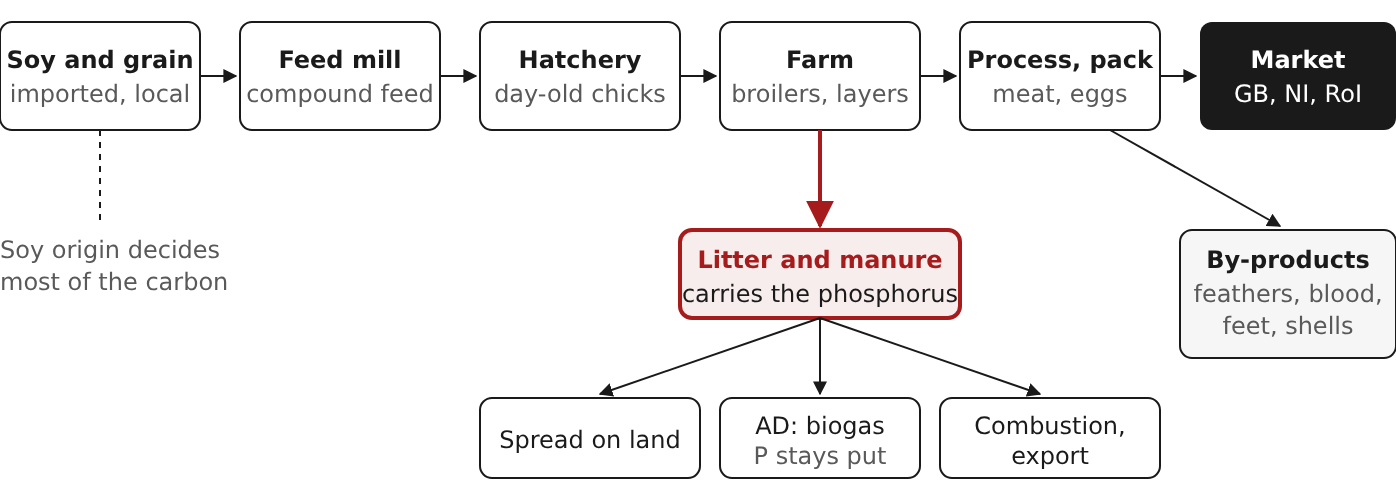
Chicken is the low-carbon meat. In Northern Ireland it is also bought with imported soy, ammonia and a phosphorus surplus concentrated in one catchment. Push diets toward poultry for climate reasons without fixing where the feed comes from and where the litter goes, and the problem moves from the atmosphere to the water.
General information as at 21 November 2026, not legal, veterinary or financial advice. Claims I have not yet checked against a primary source are in italics. The full briefing has every chart, table and source: download the full briefing (PDF, 9 pages). This page is the accessible version.
Key findings
- Growth is in eggs. About 25.8 million birds were on NI farms in June 2025, up 9%. Laying birds rose 18%; broilers 1% (DAERA census).
- Poultry is a fifth of NI farming. Poultry meat (£356m) and eggs (£264m) made up 19.4% of farm output in 2024 (DAERA Statistical Review).
- NI packers handle over a quarter of UK egg throughput. They took in 72.4 million of 265.0 million dozen in Q3 2026 (Defra). That is intake at NI packers, not NI production.
- Phosphorus and ammonia, not carbon, are the NI problems. The Nutrients Action Programme 2027–2030 consultation closed on 7 September 2026; the final regulations have not been made.
- The carbon is in the feed. From 30 December 2026 the EU Deforestation Regulation applies in NI to medium and large operators placing soya meal on the market.
- Bird flu is now seasonal. All NI birds have had to be housed since 19 November 2026, after a case near Coagh.
Feed is where the carbon is
For chickens, most emissions come from producing feed and from manure (FAO). NI’s compound feed mills used 101.5 thousand tonnes of soya meal in the first quarter of 2026, out of 824.5 thousand tonnes of raw materials for all livestock. DAERA does not publish soya use by species, and mills do not publish where each cargo came from. So no honest figure for NI poultry’s soy footprint can be calculated, and I have not given one.
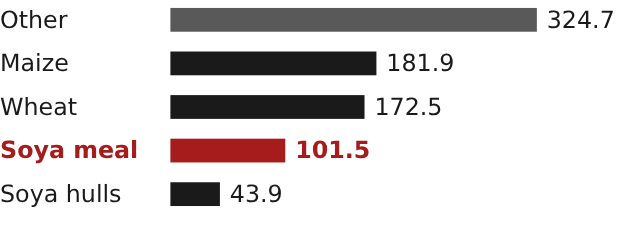
Origin matters more than quantity. A WWF literature review puts soya meal at 0.16 to over 12 kg CO2e per kg, averaging about 2.0, and a Trase case study finds Brazilian soy alone ranges from under 0.1 to 18.

Land-clearing emissions count in the inventory of the country where the soy grows, not in NI’s. NI’s inventory sees manure and energy. A supermarket’s product footprint sees the soy too, and GB retailers will ask for both.
The deforestation rule starts in five weeks
Under the EU Deforestation Regulation, which applies in NI, whoever first places soya meal on the NI market needs a due diligence system, plot geolocation and a due diligence statement. Medium and large operators are covered from 30 December 2026; micro and small from 30 June 2027. DAERA is the competent authority (GOV.UK, updated 11 November 2026). Soya meal is in scope; compound feed is not. So the legal duty sits with importers and compounders, but integrators and egg packers will be asked for evidence.
Phosphorus, ammonia and Lough Neagh
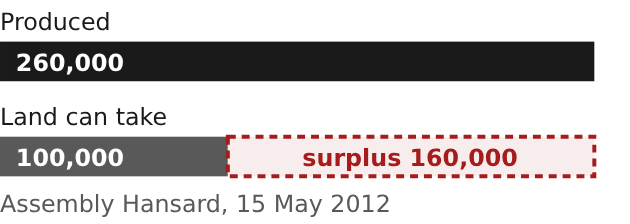
Excess phosphorus is the main cause of water quality problems in Lough Neagh and across NI, according to DAERA. In 2012 the Assembly was told NI produced 260,000 tonnes of poultry litter a year but could manage only 100,000 tonnes sustainably on land (Hansard, 15 May 2012). That predates the growth of litter export and anaerobic digestion, and I have found no current official figure.
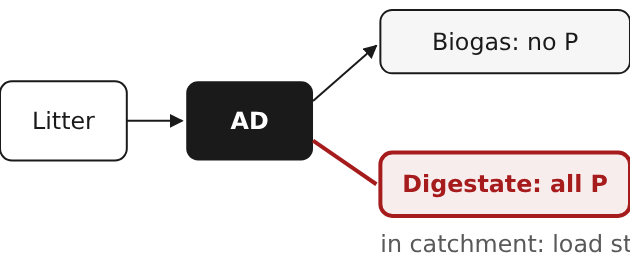
Anaerobic digestion turns litter into biogas but leaves all the phosphorus in the digestate. Unless the digestate leaves the catchment or the phosphorus is recovered, the load stays where it was. That matters for the DfE and DAERA Biomethane Strategy consultation, which closes on 15 December 2026.
The main integrator, Pilgrim’s Europe (Moy Park), says 80% of its NI litter goes off land, with all broiler litter off land by 2028. The Detail has reported that supplying farms spread far more than was agreed with NIEA in July 2025. The two figures may measure different things, and neither can be tested until NIEA publishes the agreement and its monitoring data.
Ammonia is the other brake. Agriculture causes about 93% of NI ammonia (DAERA), and new sheds need an ammonia assessment against protected sites. On current evidence, more birds in the Lough Neagh catchment cannot be reconciled with cutting phosphorus unless litter and digestate leave the catchment.
Eggs, chicken and health
The NHS sets no limit on how many eggs people eat. Eggs give protein, vitamins B2, B12 and D, iodine and selenium. Only British Lion or Laid in Britain hen eggs are safe lightly cooked for vulnerable groups. Duck, goose and quail eggs carry a higher Salmonella risk and should always be cooked thoroughly, for everyone (FSA).
Don’t wash raw chicken; cook it until steaming hot all the way through, with no pink meat. Human Campylobacter and Salmonella cases in England in 2024 exceeded the Food Standards Agency’s thresholds. The FSA does not blame more contaminated carcases, and has published no NI-specific figures.

The whole bird and the eggshell
Every part of a bird or egg not sold as food is an animal by-product under Regulation (EC) No 1069/2009, which applies in NI. Feathers, blood, eggshells and culled chicks are Category 3, the most useful: they can become feed, pet food or fertiliser. Manure and litter are Category 2.
A hen’s egg is roughly 10% shell, and the shell is almost all calcium carbonate with a protein membrane inside. The shell can replace agricultural lime or go back into layer feed; the membrane is sold for collagen and joint supplements. NI’s egg-breaking capacity and shell volumes are not published, and household shells cannot be collected at scale, so the opportunity depends on where shells arise in volume.
Regulation and trade
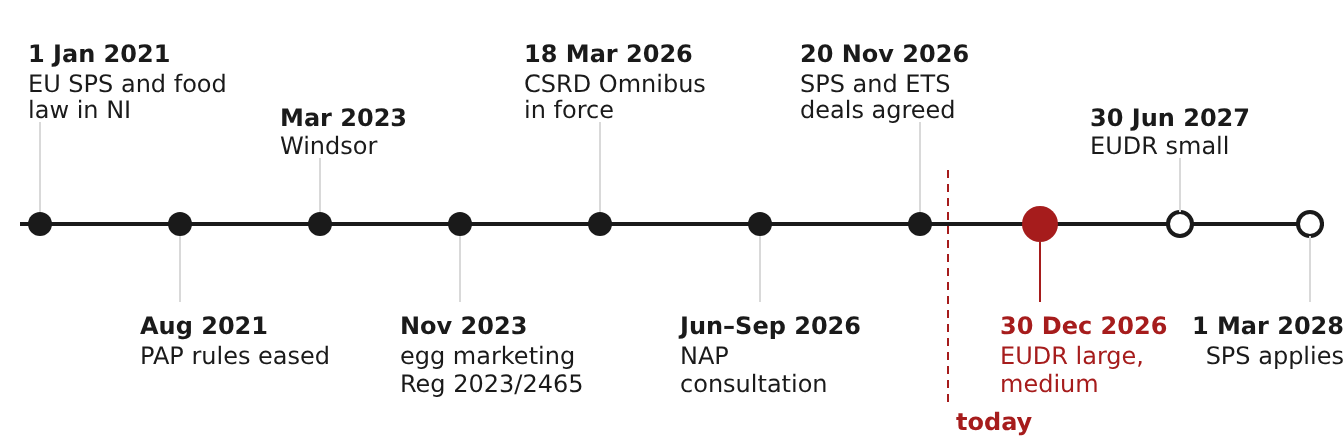
The UK–EU SPS agreement was agreed at the summit on 20 November 2026 and is to apply from 1 March 2028, subject to legislation and ratification. Under the EU egg marketing rules that apply in NI, free-range eggs now keep their label for the whole of a housing order; the old 16-week limit has gone.
Questions for decision-makers
- DAERA: will the final Nutrients Action Programme set a farm-level phosphorus limit for poultry units, and track litter sent to AD to where the digestate ends up?
- DAERA and NIEA: will the July 2025 litter agreement and its monitoring data be published?
- Feed importers and compounders: are your deforestation due diligence systems ready for 30 December, and where does NI soya meal come from?
- Retailers: will footprints for NI chicken and eggs include land-use change from soy?
- DfE and DAERA: how will the Biomethane Strategy treat digestate phosphorus?
Robert J. Park is an environment, carbon and public affairs consultant based in Larne, Northern Ireland. Download the full briefing, *The poultry life cycle in Northern Ireland* (PDF), with the figures, the regulation table and the open checks. Feed compounders, processors, councils and trade bodies who want to talk about the deforestation rule or phosphorus can email robert@robertjpark.co.uk.