
Improving the public realm: guardianship, not just maintenance
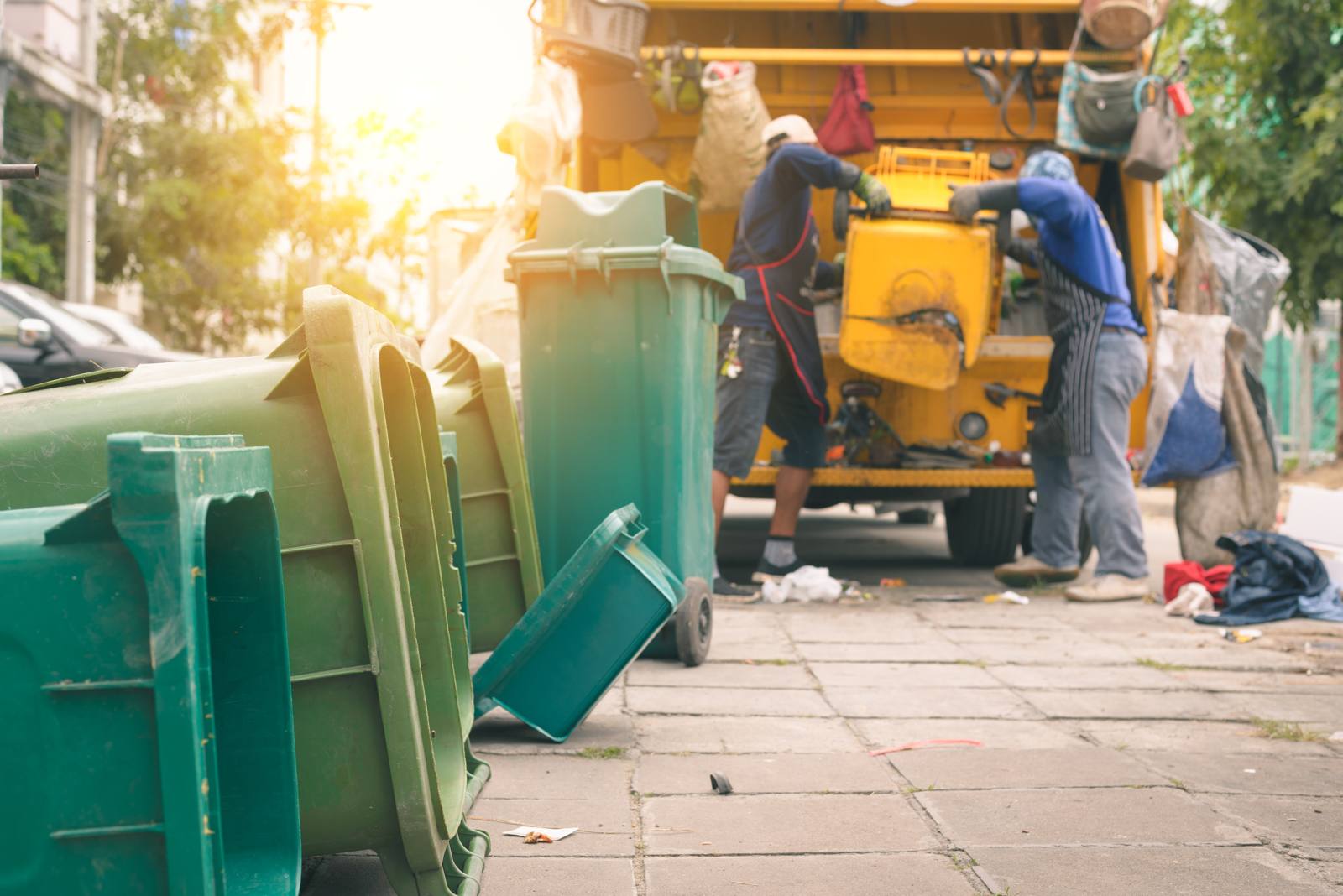
The public realm is everything we share and don’t own: streets and pavements, verges and hedgerows, parks, beaches, rivers, car parks, the bins at the end of the lane. We notice it mainly when it goes wrong. Fly-tipping in a lay-by. A river that turns green in July. A town centre that feels tired.
Most of the time we treat these as separate problems, owned by separate departments with separate budgets. I think that’s the root of the trouble.
Four things that hold a place together
When I look at a place that works, I see four things pulling in the same direction.
- Land. Soil, water and green space that are cared for rather than just cut back. A verge mown once a year instead of six times. Drains that go where they should.
- Waste. Collection that is reliable, litter that is picked up quickly, and enforcement that makes dumping a bad bet.
- Duty. Somebody clearly responsible, with the powers and the money to act, and an obligation to keep improving rather than simply not getting worse.
- Civic pride. People who feel the place is theirs, and who report, volunteer and complain because they care.
Take any one away and the others start to slip. Pride fades when nobody seems responsible. Duties go unmet when nobody is watching. Land and waste problems compound each other: litter blocks drains, and neglected corners attract dumping.
The law is part of the problem
Responsibility for the public realm is spread across dozens of pieces of legislation, written at different times for different purposes. Litter sits in one Act, highways in another, drainage, parks, burial grounds, street trading and dog control in others again. Each has its own duty-holder, its own standard and its own enforcement route. Some duties are absolute, some are “so far as practicable”, and some are only powers that a body may choose to use.
I’ve spent a good deal of time working through this as part of drafting a UK-wide Public Realm Bill. The draft runs to 215 clauses and 26 Schedules. It brings 37 existing enactments into one framework, so that the person on the street can see who is responsible and what they can expect. Two ideas sit at its heart:
- A continuous improvement duty. Public bodies responsible for shared spaces should have to show that those spaces are getting better over time, not just that they’ve been kept at a minimum standard.
- Minimum public realm entitlements. Every community should be able to expect certain basics: clean streets, safe footways, accessible green space, working drainage, and somewhere to report problems and get an answer.
You don’t need new legislation to start acting on either. Councils can adopt them as local standards tomorrow.
What good guardianship looks like
Guardianship is a better word than maintenance. Maintenance is about keeping things as they are. Guardianship is about handing a place on in better shape than you found it. In practice, that tends to mean:
- Joining up the budgets. The cost of a blocked gully, a flooded road and an insurance claim all land in different places. Look at them together and the cheap fix upstream becomes obvious.
- Managing land for nature as well as tidiness. Fewer cuts, cutting hedges in the right season and at the right height, leaving buffer strips by rivers. These often cost less, not more. My Land Repair Helix pairs common problems with low-cost fixes.
- Making enforcement visible. Fly-tipping falls when people see that it is investigated and punished. In Northern Ireland, pollution and dumping can be reported to the NIEA on 0800 80 70 60, and councils handle litter and fly-tipping on public land.
- Measuring what residents notice. Response times, repeat problems, and how people rate their area, not just tonnes collected or miles swept.
- Giving people a way in. Friends-of groups, adopt-a-spot schemes and community clean-ups work best when the council backs them with equipment, insurance and a named contact.
Businesses have a part too
The public realm isn’t only a council matter. Businesses own land that faces onto it, generate waste that passes through it, and depend on it for their customers and staff. A factory with a scruffy boundary, a car park that floods the road, or packaging that ends up in the hedge is part of the problem. A business that looks after its frontage, its drainage and its waste is part of the answer, and it shows in staff pride and in how the community sees the firm.
Where to start
If you’re a council officer or an elected member, pick one street, one park or one stretch of river and map who is responsible for every part of it. You’ll quickly find the gaps. If you’re a business, walk your own boundary with fresh eyes and ask what a neighbour would see.
Good places don’t happen by accident. They’re looked after. If you’d like to talk about how to do that well, get in touch.